
The Shift from Geographical to Psychological Exploration
For much of the modern era, travel was defined by the tangible. It was an exercise in “collection”—gathering vistas, monuments, and passport stamps as proof of cultural capital. However, a profound shift has occurred in the motivation of the global traveler. We are witnessing the decline of the destination as a purely physical entity and the rise of the “state of mind” as the primary objective. In an age where digital saturation allows us to view any corner of the globe in high definition from our homes, the mere sight of a place no longer suffices. Instead, the contemporary journey is an internal one, where the external landscape serves merely as a scaffold for a specific cognitive or emotional transformation.
The Search for Cognitive Recalibration
The impetus for modern movement is often the need for a radical shift in consciousness. Our daily lives are frequently characterized by “fragmented attention”—a state of being perpetually interrupted by digital notifications and professional demands. Consequently, travel has become a therapeutic tool for cognitive recalibration. Travelers now seek environments that facilitate “deep flow” or “monastic silence,” moving toward locations that promise a transition from anxiety to equanimity. The physical coordinates are secondary to the mental clarity they are expected to induce. Whether one seeks the intellectual stimulation of an ancient urban center or the sensory deprivation of a desert, the goal is the same: to alter the frequency of one’s internal monologue.
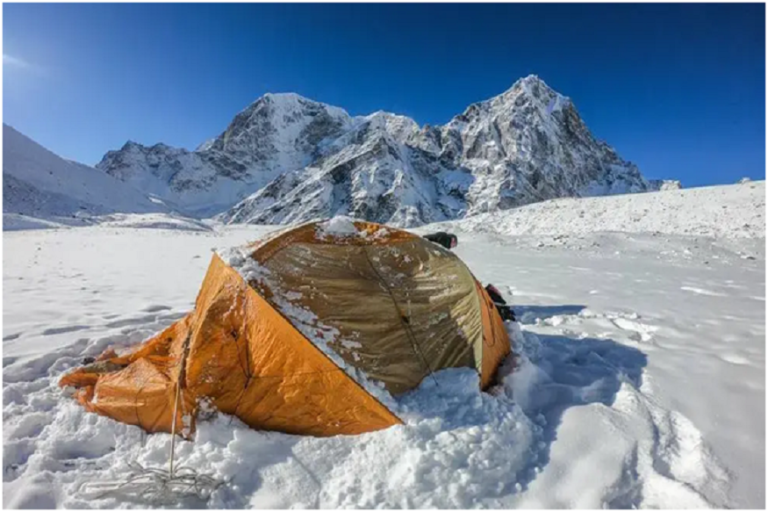
Read More: The Snowline Saga EBC trek, Island peak Climbing, Cho La Pass Trek
Aesthetic Immersion and the Architecture of Peace
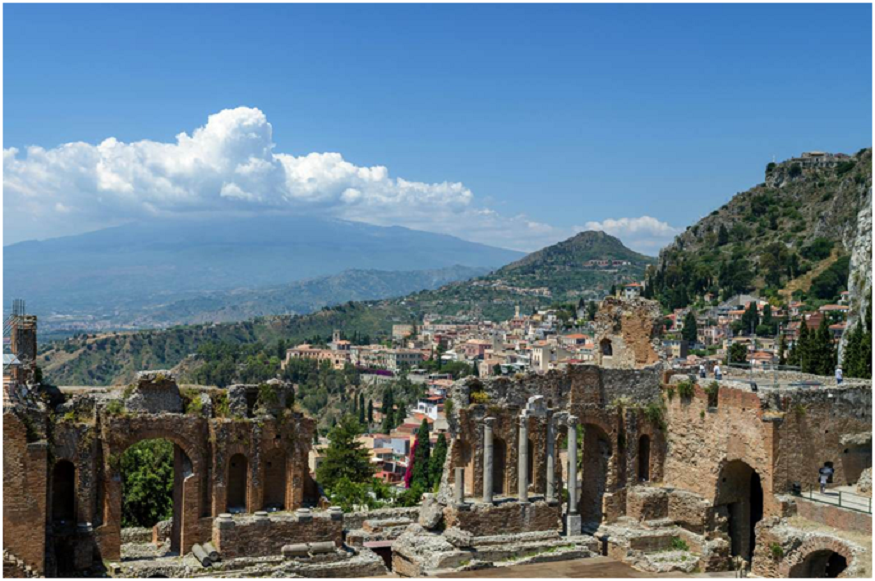
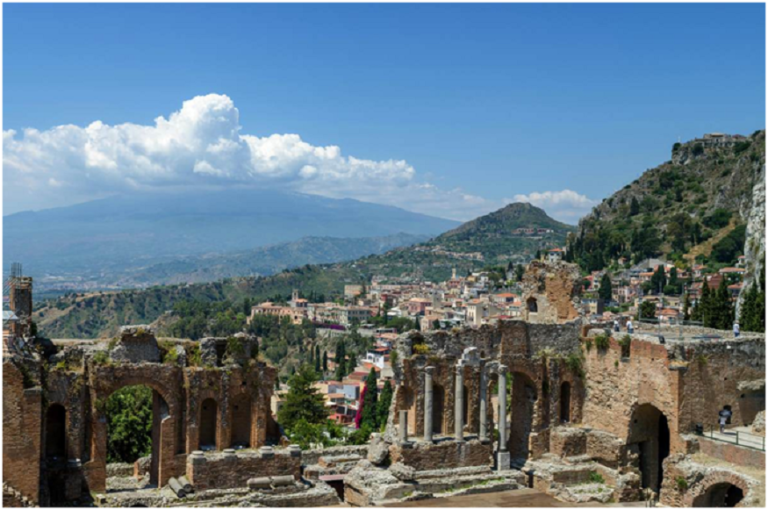
This evolution has redefined the hospitality industry, moving it away from standardized luxury toward “affective architecture.” We no longer select a hotel simply for its proximity to a landmark, but for how its design and atmosphere curate a specific mood. For instance, a traveler seeking a profound sense of historical continuity and Mediterranean serenity might gravitate toward a seafront luxury stay in Taormina, where the juxtaposition of volcanic rock and the Ionian Sea creates a specific frequency of calm. In such settings, the architecture and the natural environment work in tandem to pull the individual out of their habitual stressors and into a state of heightened sensory awareness. The “place” is a catalyst for a neurochemical shift, providing the stillness necessary for reflection.
The Performance of Identity Through Experience
Travel has also become a mechanism for the performance and refinement of identity. In a secular world, the journey has replaced the pilgrimage as a means of self-actualization. We travel to “become” a different version of ourselves—to test our resilience, to indulge our curiosity, or to inhabit a persona that our domestic lives do not permit. This is not mere escapism; it is a deliberate experiment in personality. The traveler selects a destination based on its alignment with their desired self-image. If one perceives oneself as an intellectual, one seeks the “literary state of mind” found in the cafes of Central Europe. If one seeks a “pioneer state of mind,” one heads for the unmapped reaches of the global south. The map is no longer a guide to territory, but a menu of potential temperaments.
Read More: Experiencing the Turkish Coast on a Yacht Charter with Jacuzzi
The Persistence of Internal Landscapes
Ultimately, the democratization of travel has stripped the “place” of its exoticism, leaving the “feeling” as the only remaining frontier. As we move deeper into the twenty-first century, the distinction between the outer world and the inner world continues to blur. We recognize that a change in latitude is ineffective without a change in attitude. We return from our travels not with artifacts, but with a modified perspective—a temporary lease on a more expansive state of mind. The value of the journey is now measured by the duration for which that internal shift persists after the return to the familiar. In this new paradigm, we do not travel to see; we travel to be.







+ There are no comments
Add yours